

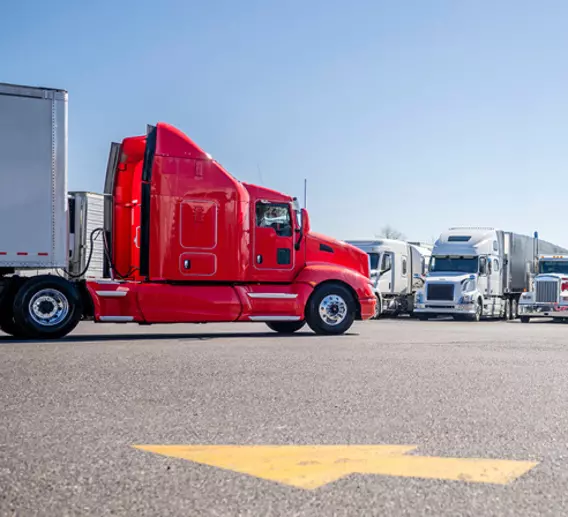


What should shippers expect for the 2026 peak season?
From geopolitical unrest that’s impacting international shipping lanes to ongoing cost volatility tied to energy and fuel markets, shippers are planning peak volumes in an uncertain landscape this year.
Proactive planning, flexibility and visibility across the supply chain are needed to succeed. Here’s an overview of what to expect and how to prepare.
Peak shipping season isn’t new. The rules around it are.
Traditionally, peak shipping season occurs in late summer and early fall as retailers and manufacturers move goods for back-to-school preparations and year-end sales. That timeline is still expected this year, but what has changed is the margin for error.
In prior years, peak season disruptions could often be absorbed with expedited services or spot-market capacity. But the ongoing global disruptions will likely make mistakes harder to recover from. As a result, peak season in 2026 should be less about managing a single surge and more about sustained pressure on capacity, coordination and planning.
Key takeaway
August through October remains the historical peak window, but some volume is expected to arrive earlier — or arrive in waves — depending on inventory strategies, sourcing decisions and consumer demand.
Shippers that are forecasting, securing capacity and staging inventory earlier in the year may be better positioned to avoid last-minute congestion when peak conditions intensify.
The dynamics that matter most in 2026
Capacity availability
Capacity during peak season has always been competitive, but it may tighten quickly if global events force freight onto alternative routes or modes. That means capacity problems can surface even when demand hasn’t changed much.
Cost pressure
Rising demand typically brings higher rates during peak season. This year, that pressure is compounded by fuel and energy volatility, which affects not just base rates but surcharges and total landed costs. Shippers may see costs shift quickly as a result.
Inventory timing and flexibility
Inventory decisions are one of the biggest drivers of performance. Many shippers choose to move products earlier or spread volume out to avoid late‑season congestion and delays. While that can reduce risk later in the year, it also introduces tradeoffs. Carrying inventory longer ties up capital and increases exposure if demand changes.
With less room to correct this year, shippers need to be intentional about where flexibility is truly needed.
Readiness checklist
Success in 2026 isn’t about predicting what will happen. It’s about being ready when things don’t go as planned. Here are some things you can do to prepare:
Review demand forecasts and identify potential volume spikes
Secure freight capacity earlier where possible
Confirm lead times with suppliers, carriers and customers
Evaluate alternative modes, routes or service levels
Build contingency plans for weather, congestion and disruptions — including supply, capacity or routing interruptions
Pressure-test contingency plans against multi-week delays or sudden lane changes
Monitor market conditions and adjust plans as needed
A structured approach helps reduce surprises and supports better decision-making when peak pressure ramps up.
Prepare for peak shipping demands with ArcBest
Peak shipping season doesn’t have to disrupt your supply chain. ArcBest helps businesses navigate unique demands with flexible shipping solutions, market insight and a trusted network.
Whether you’re planning early or adjusting as peak conditions develop, our team is ready to support your supply chain through one of the busiest times of the year.
Connect with us today and prepare with confidence.